


Coverage That Moves With Your Vehicle
RV Insurance in Cerritos for owners needing liability and physical damage protection while traveling or parked long-term
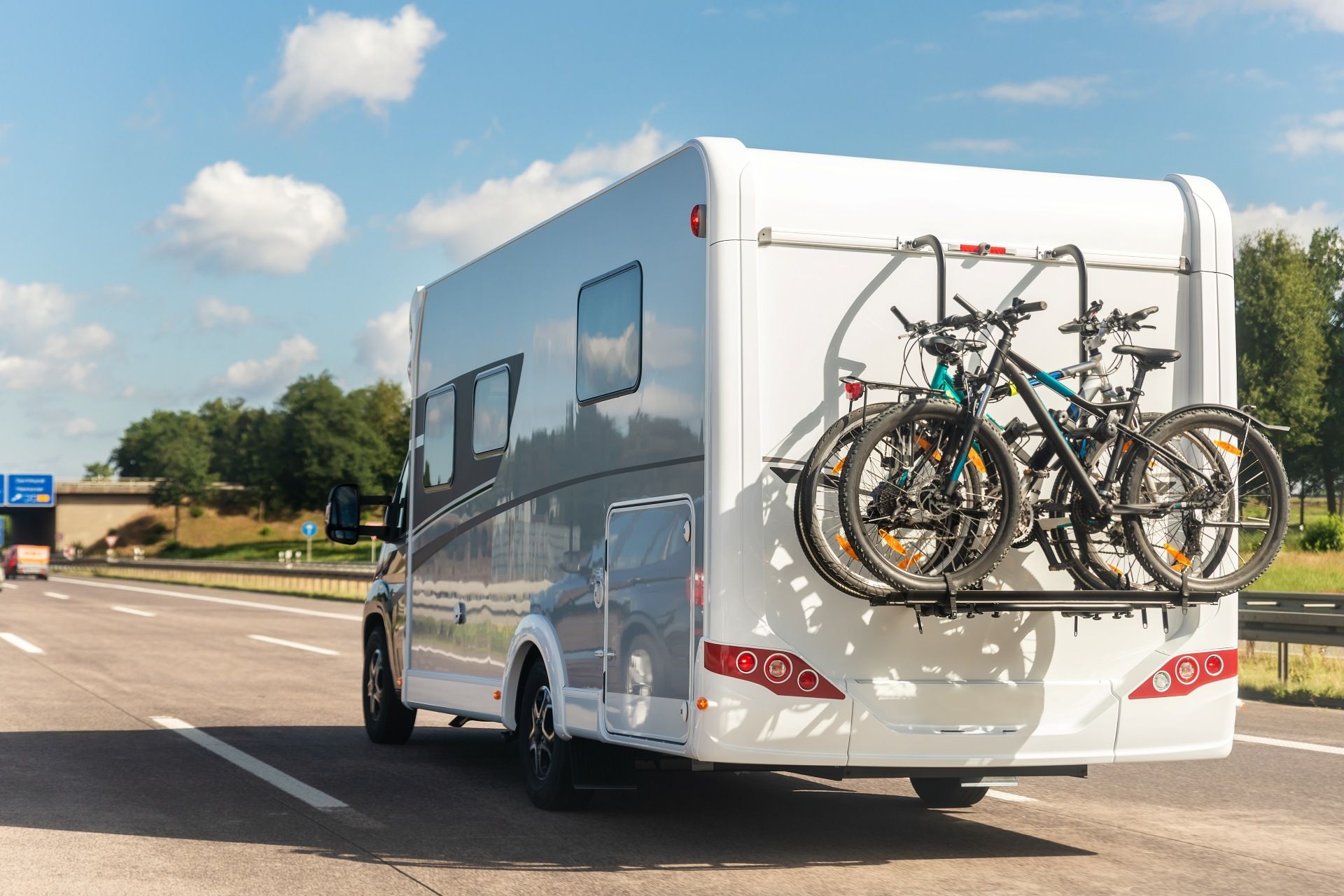
Mario Bujas Insurance Agency provides RV insurance for owners in Cerritos who use their vehicle occasionally for weekend trips or full-time as a mobile residence. Your RV represents both transportation and living space, and standard auto policies exclude many of the risks that come with that dual function. You need coverage that applies when the vehicle is moving down the highway, parked at a campground, or sitting in storage between trips, and you need clarity on what happens if the RV is damaged, if you cause an accident, or if someone is injured inside while it is stationary.
This policy includes liability coverage for bodily injury and property damage you cause while operating the vehicle, plus collision and comprehensive coverage for physical damage to the RV itself from accidents, weather, theft, or vandalism. Additional options cover personal belongings stored inside, attached awnings or slide-outs, emergency expenses like lodging or towing if the RV breaks down far from home, and uninsured motorist protection. The policy can be tailored based on whether you use the RV a few times a year or live in it full-time, and it can integrate with your existing auto insurance to streamline renewals and avoid coverage gaps.
Get an RV insurance quote that reflects how often you travel, where you park, and what your vehicle is worth today.
Why Auto Insurance Does Not Cover RVs Fully
You need a policy written for a vehicle that serves as both transportation and temporary or permanent housing. Auto policies exclude coverage for personal property inside the vehicle, do not account for living quarters, and may not provide adequate liability limits when the RV is used as a residence. Mario Bujas Insurance Agency structures the coverage to address both road risks and stationary exposures, using policy forms designed specifically for motorhomes, travel trailers, fifth wheels, and camper vans.
Once the policy is active, you receive documentation showing liability limits, physical damage deductibles, and any endorsements for full-timer coverage, vacation liability, or roadside assistance. You also gain access to support when you upgrade the RV, add custom equipment like solar panels or a generator, or change how frequently you use it. The agency adjusts the coverage to match those changes so you maintain appropriate protection without paying for features you do not need or leaving gaps that surface during a claim.
The policy does not include maintenance, mechanical breakdown coverage beyond optional add-ons, or liability for business use such as renting the RV to others. If you plan to use the vehicle commercially or rent it through a peer-to-peer platform, disclose that upfront because personal RV policies exclude commercial activity and require different underwriting.
Frequent Questions About RV Coverage
Owners often ask how coverage applies when the RV is parked versus in motion and what limits are necessary for different usage patterns.
What is the difference between collision and comprehensive coverage on an RV policy?
Collision covers damage from accidents involving another vehicle or object, while comprehensive covers damage from theft, vandalism, fire, hail, or hitting an animal.
How does full-timer coverage differ from standard RV insurance?
Full-timer coverage includes higher liability limits, personal property coverage similar to homeowners insurance, and protection for loss of use if the RV becomes uninhabitable due to a covered event.
When should I add emergency expense coverage to my policy?
Add it if you travel far from home regularly, because it reimburses lodging, meals, and transportation if your RV is damaged or breaks down and cannot be used during a trip.
Why do insurers ask how many days per year I use the RV?
Usage frequency affects risk and premium, with occasional use typically costing less than full-time residency because exposure to accidents and claims is lower when the vehicle sits in storage most of the year.
How does storage location in Cerritos impact my RV insurance rate?
Storing the RV in a secure, covered facility or gated community typically results in lower comprehensive premiums compared to street parking because the risk of theft, vandalism, and weather damage is reduced.
Mario Bujas Insurance Agency writes policies that reflect how you actually use your RV and where it spends most of its time. Call (714) 447-9221 to discuss your vehicle type, travel habits, and the coverage limits that make sense for your situation.